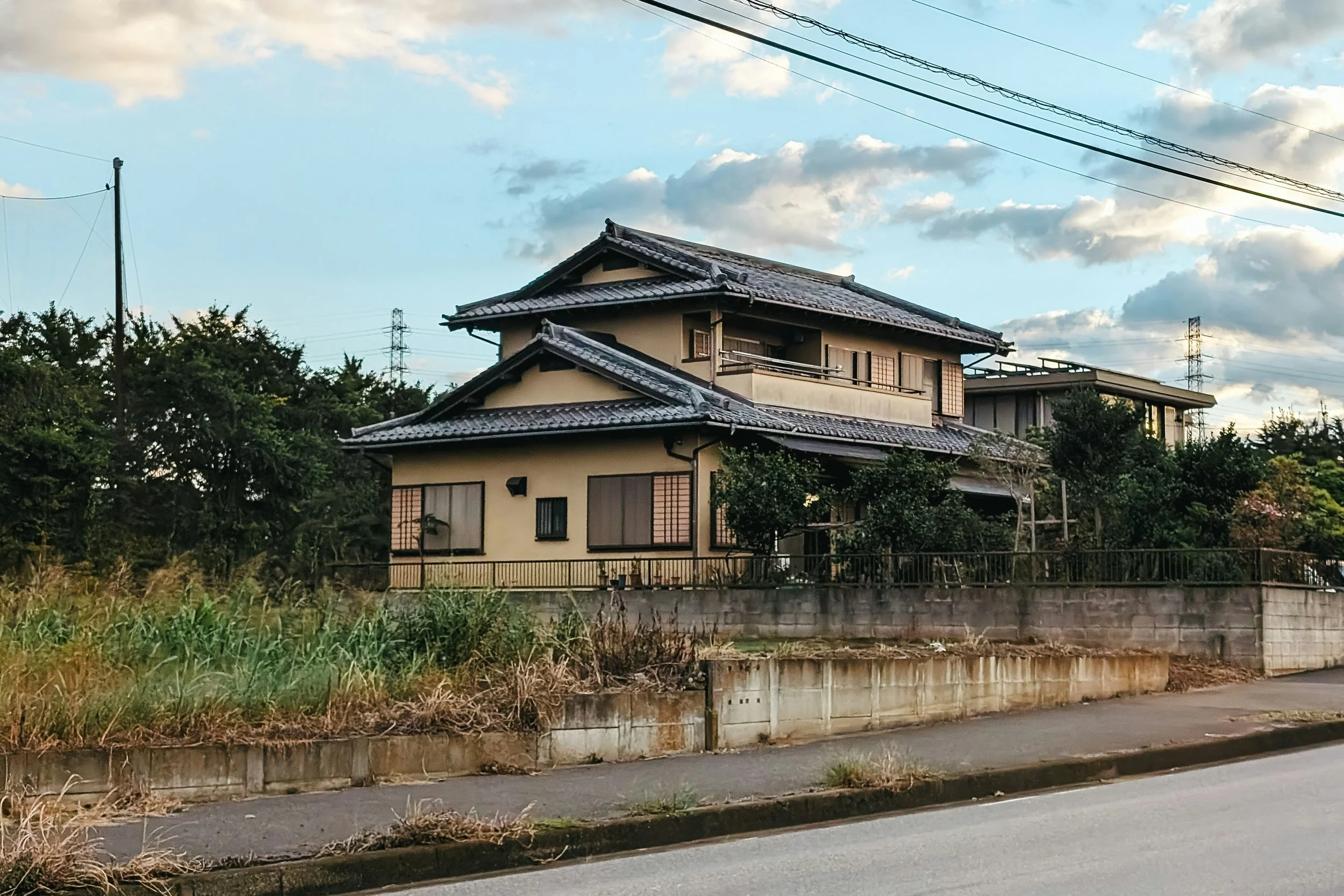
Akiya — or “abandoned homes” — have gained international attention for their low prices and government revitalization programs. While these properties can seem like hidden gems, they come with unique challenges that make them suitable only for specific investors.
🔹 What Is an Akiya?
An Akiya refers to a vacant or abandoned property, often located outside of major urban areas.
Japan’s declining population and rural depopulation have led to an estimated 8.5 million empty homes nationwide (about 14% of total housing).
Some municipalities list them in Akiya banks — local databases offering properties for sale, often at very low prices.
🔹 Pros of Buying an Akiya
Low Purchase Prices: Some homes can be acquired for as little as a few million yen (tens of thousands of USD).
Government Support: Certain regions offer subsidies for renovation or relocation.
Cultural & Lifestyle Appeal: Ideal for buyers seeking a slow-living or creative renovation project.
Potential Community Impact: Revitalizing local areas and preserving traditional architecture.
🔹 Cons and Challenges
Location Risk: Most Akiya are in rural or shrinking areas with low rental demand.
High Renovation Costs: Many need significant repairs — structural, plumbing, or electrical — which can exceed the purchase price.
Limited Liquidity: Reselling can be extremely difficult, even after renovation.
Complex Ownership Histories: Some listings involve multiple heirs or unclear title records.
Maintenance Burden: Ongoing upkeep in remote areas can be costly and time-consuming.
🔹 Who Is an Akiya For?
Buyers interested in lifestyle or personal-use properties (vacation homes, creative projects).
Investors who value cultural preservation or community-building over yield.
Those who can manage renovation logistics locally or through a Japanese contractor.
Not ideal for investors seeking steady rental income or easy resale.
🔹 Typical Costs to Expect
| Expense | Estimated Range (JPY) | Notes |
|---|---|---|
| Purchase Price | ¥1–10 million | Common range for rural Akiya |
| Renovation | ¥3–15 million | Varies based on age and condition |
| Registration & Taxes | ¥300,000–¥600,000 | Same process as standard purchases |
| Annual Fixed Asset Tax | ¥30,000–¥80,000 | Lower than urban condos |
| Ongoing Maintenance | ¥50,000–¥200,000/year | Depending on size and usage |
🔹 Mpathian’s Perspective
While Akiya can be fascinating from a cultural or renovation standpoint, they rarely offer the stability or returns that make sense for most overseas investors. At Mpathian, we focus on livable, income-generating properties in metro areas — but we’re happy to help you understand if an Akiya could align with your personal goals or lifestyle plans.